F32
𓄡
- Unicode
- U+13121 𓄡
- Reading
- ẖ.t
- Use
- Logogram (belly, body)
- Group
- F – Parts of mammals
- Sign list
- Gardiner, Egyptian Grammar
Description
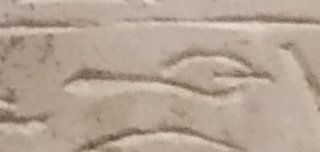
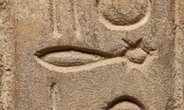
The udder and tail of an animal, seen from below.
Words written with F32
| 𓄡𓏏𓏤 | ẖ.t body; belly; womb Early Dynastic Period – Roman Period |
| 𓅓𓄡𓏌𓏤 | m-ẖnw in the interior of; within; out of (spatial) Old Kingdom – Roman Period |
| 𓋴𓄡𓏏𓇠 | sẖ.t [a cereal] Early Dynastic Period – Ptolemaic Period |
| 𓄡𓂋𓂧𓀔 | ẖrd child; to be a child Old Kingdom – Roman Period |
| 𓇓𓏏𓅭𓈖𓏏𓄡𓏏𓆑 | zꜣ.t-nswt-n.t-ẖ.t=f king's daughter of his body Old Kingdom – Third Intermediate Period |
| 𓄡𓊃𓅪 | ẖz weak; vile Middle Kingdom – Roman Period |
Examples