Signs › Z – Strokes, signs derived from hieratic, geometrical figures
Z4
𓏭
- Unicode
- U+133ED 𓏭
- Reading
- y
- Use
- Phonemogram
- Group
- Z – Strokes, signs derived from hieratic, geometrical figures
- Sign list
- Gardiner, Egyptian Grammar
Description
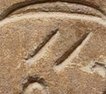
Two diagonal strokes arranged horizontally.
Words written with Z4
| 𓁹𓂋𓏭 | jri̯ to do; to make; to create; to act as; [aux. (as conjugation auxiliary/light verb with an infinitive)] Old Kingdom – Roman Period |
| 𓈖𓏏𓏭 | n.tj the one who; which (relative pron.); the one who (invariable); the one who is (exists) Old Kingdom – Roman Period |
| 𓐍𓆑𓏏𓏭𓀏 | ḫft.j enemy Old Kingdom – Roman Period |
| 𓋴𓍋𓌡𓏏𓏭 | smr-wꜥ.tj sole companion (of the king) Early Dynastic Period – Ptolemaic Period |
| 𓅠𓅓𓏲𓏭𓏛 | gmi̯ to find; to discover Old Kingdom – Roman Period |
| 𓊏𓊪𓏲𓏭𓏛𓀜 | šzp to receive; to take possession of Old Kingdom – Roman Period |
Examples